
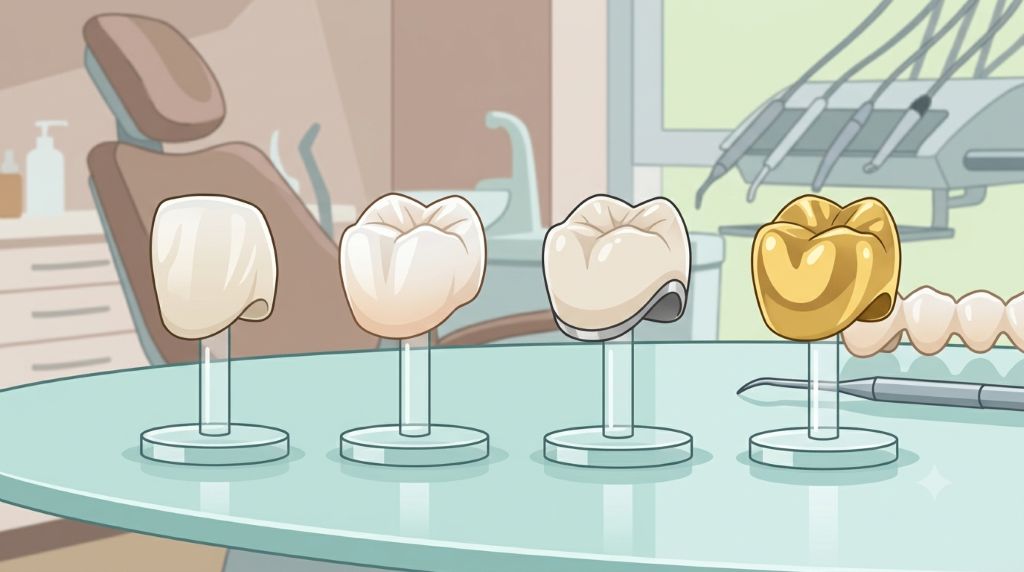
Choosing the right dental crown is an important step in restoring the health, function, and appearance of your smile. Whether you’re repairing a damaged tooth after decay, protecting a tooth following a root canal, or enhancing your smile’s aesthetics, dental crowns provide a durable and effective solution.
Today, patients have several dental crown materials to choose from, each offering unique benefits in terms of strength, longevity, and appearance.
From highly durable zirconia crowns to natural-looking porcelain crowns and long-lasting metal dental crowns, understanding the differences between these options can help you make an informed decision.
Additionally, dental crowns often play a vital role in supporting dental bridges, making them an essential part of many restorative treatments.
In this guide, we’ll explore the most common types of dental crowns, compare their advantages and limitations, and discuss how to determine the best dental crown material for your specific needs.
If you’re considering dental crowns in Scottsdale or exploring crowns and bridges treatment options, this information can help you feel confident about your next step toward a healthier smile.
What Are Dental Crowns?
Dental crowns are custom-made restorations designed to completely cover a damaged or weakened tooth. They restore the tooth’s shape, strength, size, and appearance while protecting it from further damage.
Crowns are often used when a tooth cannot be restored effectively with a simple filling. By covering the entire visible portion of the tooth, crowns provide additional support and stability while maintaining proper bite function.
Dentists commonly recommend crowns for:
- Severely worn teeth.
- Cracked or fractured teeth.
- Teeth weakened by decay.
- Root canal-treated teeth.
- Cosmetic smile enhancements.
- Supporting restorative procedures.
When Are Dental Crowns Needed?
Dental crowns may be necessary in several situations:
- Protecting a tooth after root canal treatment
- Restoring teeth with large fillings
- Repairing broken or fractured teeth
- Improving the appearance of misshapen teeth
- Strengthening weakened teeth
- Supporting dental bridges
- Completing restorations with dental implants
Crowns play a critical role in preserving natural teeth while improving both function and aesthetics.
Why Dental Crown Materials Matter
The material used for a dental crown plays a significant role in its appearance, durability, and overall performance. Each option offers unique benefits, making material selection an important part of successful treatment planning.
Factors to Consider When Choosing a Crown
Choosing the appropriate crown material involves evaluating several important factors:
- Durability and Strength
Different materials offer varying levels of resistance to chewing forces and daily wear.
- Appearance
The visibility of the tooth often influences material selection, especially for front teeth.
- Tooth Location
Molars typically require stronger materials, while front teeth may prioritize aesthetics.
- Budget
Treatment costs vary depending on material type, laboratory processes, and restoration complexity.
- Maintenance Requirements
Some materials may require more ongoing care than others.
Finding the Best Dental Crown Material
The best dental crown material depends on individual circumstances. Treatment goals, oral health condition, bite force, and cosmetic preferences all influence the ideal choice. Professional evaluation ensures patients receive a restoration tailored to their needs.
Zirconia Crowns: Strength and Durability
Zirconia crowns have become increasingly popular due to their remarkable strength and long-lasting performance. They provide reliable protection for damaged teeth while offering a modern restorative solution for many patients.
What Are Zirconia Crowns?
Zirconia crowns are made from zirconium dioxide, an advanced ceramic material known for exceptional strength and longevity. Modern dental technology has made zirconia one of the most popular restorative options available today.
Benefits of Zirconia Crowns
- Exceptional Strength
Zirconia is among the strongest materials used in dentistry and can withstand significant biting pressure.
- Fracture Resistance
These crowns are highly resistant to cracking and chipping, making them suitable for long-term use.
- Biocompatibility
Zirconia works well with surrounding tissues and rarely causes allergic reactions or irritation.
- Ideal for Posterior Teeth
Patients with strong bites often benefit from zirconia restorations because of their durability.
Potential Limitations of Zirconia Crowns
Although highly durable, zirconia may not always provide the same level of translucency as porcelain. In highly visible areas of the smile, some patients may prefer more aesthetic alternatives depending on their cosmetic goals.
Porcelain Crowns: Natural-Looking Smile Restoration
For patients seeking a highly aesthetic restoration, porcelain crowns offer exceptional cosmetic results. Their ability to closely resemble natural teeth makes them a preferred option for visible areas of the smile.
What Are Porcelain Crowns?
Porcelain crowns are ceramic restorations specifically designed to mimic the appearance of natural teeth. Their translucent qualities closely resemble natural enamel, making them a popular choice for visible teeth.
Benefits of Porcelain Crowns
- Natural Appearance
Porcelain reflects light similarly to natural teeth, creating a highly realistic result.
- Excellent Cosmetic Outcomes
Patients seeking smile enhancement often prefer porcelain due to its superior aesthetics.
- Precise Color Matching
Porcelain can be customized to blend seamlessly with surrounding teeth.
- Metal-Free Restoration
Patients who prefer metal-free dentistry often choose porcelain crowns.
Considerations for Porcelain Crowns
While porcelain offers outstanding aesthetics, it may not provide the same level of strength as zirconia in areas exposed to heavy chewing forces. Porcelain is commonly recommended for front teeth where appearance is a primary concern.
Metal Dental Crowns: Proven Long-Term Performance
Metal crowns have been trusted in restorative dentistry for decades because of their durability and resistance to wear. They continue to provide reliable solutions for patients who prioritize strength and longevity.
What Are Metal Dental Crowns?
Metal dental crowns are fabricated using gold alloys, base metal alloys, or other durable metals. These restorations have been successfully used in dentistry for decades.
Benefits of Metal Dental Crowns
- Outstanding Durability
Metal crowns can withstand significant wear and chewing forces.
- Minimal Tooth Reduction
A less natural tooth structure often needs to be removed during preparation.
- Long Lifespan
Many metal crowns remain functional for decades with proper care.
4. Drawbacks of Metal Crowns
The primary disadvantage is their appearance. Because metal crowns do not resemble natural teeth, they are typically recommended for molars and less visible areas of the mouth.
Other Types of Dental Crown Materials
In addition to zirconia, porcelain, and metal options, several other crown materials are available to meet specific restorative and cosmetic needs. Understanding these alternatives can help patients explore all suitable treatment options.
1. Porcelain-Fused-to-Metal (PFM) Crowns
PFM crowns combine a metal base with an outer porcelain layer. This design offers improved aesthetics while maintaining structural strength. They remain a popular restorative option for many patients.
2. E-Max and Lithium Disilicate Crowns
Lithium disilicate restorations provide an excellent balance between aesthetics and durability. They are frequently used in cosmetic dentistry because of their natural appearance and strength.
3. Resin Crowns
Resin crowns are often utilized as temporary restorations. While affordable, they generally do not provide the same longevity or strength as other materials.
Comparing Zirconia, Porcelain, and Metal Dental Crowns
Each crown material offers distinct advantages depending on the location of the tooth, functional requirements, and aesthetic goals. Comparing the key characteristics of each option helps patients choose the most appropriate restoration.
Strength and Durability Comparison
Among common crown materials, zirconia and metal crowns typically offer the highest durability. Porcelain crowns provide excellent function but may be more susceptible to wear under heavy biting forces.
Aesthetic Comparison
Porcelain crowns generally provide the most natural appearance. Zirconia offers excellent aesthetics while maintaining superior strength. Metal crowns prioritize functionality over appearance.
Cost Considerations
Treatment costs vary depending on:
- Material selection
- Laboratory fabrication
- Complexity of restoration
- Number of teeth being treated
- Insurance coverage
Best Uses for Each Material
Porcelain Crowns
- Front teeth
- Cosmetic smile enhancement
- Highly visible areas
Zirconia Crowns
- Back teeth
- Patients with strong bites
- Long-term restorations
Metal Dental Crowns
- Molars
- High-function chewing areas
- Patients prioritizing durability
Interesting Read: Guide to Dental Crowns: Types, Procedure, and Benefits
Dental Crowns and Dental Bridges: Understanding the Connection
Dental crowns and dental bridges often work together to restore damaged or missing teeth. Understanding their relationship can help patients better appreciate the role these restorations play in comprehensive dental care.
How Crowns Support Dental Bridges
Crowns serve as anchors for many dental bridges. The supporting teeth on either side of a missing tooth are prepared and fitted with crowns that hold the bridge securely in place.
Crowns and Bridges Treatment Options
Patients seeking crowns and bridges in Scottsdale often require comprehensive restorative treatment designed to improve both function and appearance. Combining crowns and bridges can effectively restore damaged and missing teeth while improving overall oral health.
How to Choose the Best Dental Crown Material
Selecting the right crown material requires careful consideration of several factors, including durability, appearance, oral health needs, and budget. Personalized treatment planning helps ensure the best possible outcome.
Factors Your Dentist Will Consider
Several clinical factors influence crown selection:
- Tooth location
- Bite pressure
- Existing oral health conditions
- Cosmetic goals
- Long-term expectations
- Budget considerations
- Insurance benefits
Personalized Treatment Planning
There is no universal solution for every patient. Customized treatment planning ensures the chosen material aligns with both functional requirements and aesthetic preferences. Comprehensive evaluation allows dentists to recommend the most appropriate restoration for lasting success.
Interesting Read: How Dental Crowns Can Help Prevent Future Tooth Damage
Why Choose Scottsdale Family Dentistry for Dental Crowns in Scottsdale?
Choosing the right dental provider is just as important as selecting the right restoration. Our dentist in Scottsdale, AZ focuses on delivering personalized care, advanced treatment options, and long-lasting results for every patient.
Comprehensive Restorative Dentistry Services
Our team provides:
- Dental crowns
- Dental bridges
- Cosmetic restorations
- Dental implants
- Periodontal care
- Full smile rehabilitation
Patients searching for dental crowns in Scottsdale services benefit from personalized treatment plans focused on long-term oral health.
Advanced Materials and Modern Technology
We utilize high-quality materials and modern dental technology to create durable and natural-looking restorations tailored to each patient’s needs.
Patient-Centered Dental Care
Our commitment to patient care includes customized treatment recommendations, comfortable procedures, and restorations designed to support healthy, confident smiles for years to come.
Conclusion
Dental crowns remain one of the most effective solutions for restoring damaged, weakened, or cosmetically compromised teeth. Whether choosing zirconia crowns, porcelain crowns, metal dental crowns, or other advanced restorative materials, the ideal option depends on individual treatment goals, durability requirements, and aesthetic preferences.
Understanding the advantages of different dental crown materials helps patients make informed decisions about their oral health. Crowns also play an essential role in supporting dental bridges, restoring missing teeth, and preserving long-term function.
If you are considering dental crowns and bridges in Scottsdale, AZ, schedule a consultation with Scottsdale Family Dentistry to receive personalized recommendations and comprehensive restorative care designed to help you achieve a healthy, confident smile.
Frequently Asked Questions
Which is the best dental crown material?
The best dental crown material depends on tooth location, bite force, cosmetic goals, and overall oral health. Zirconia, porcelain, and metal crowns each provide unique benefits, making professional evaluation essential for selecting the most appropriate option.
How long do zirconia crowns last?
With proper oral hygiene and regular dental visits, zirconia crowns can last 10 to 20 years or longer. Their exceptional strength and resistance to wear make them one of the most durable restorative options available.
Are porcelain crowns strong enough for molars?
Modern porcelain crowns offer excellent durability and may be suitable for certain molars. However, patients with heavy bite forces may benefit from stronger alternatives such as zirconia for enhanced longevity and performance.
What are the advantages of metal dental crowns?
Metal dental crowns provide outstanding durability, require less tooth reduction, and often last for decades. They are particularly effective for back teeth, where strength and function are more important than appearance.
Can dental crowns support dental bridges?
Yes. Dental crowns frequently serve as anchors for dental bridges. They help stabilize the bridge structure, restore missing teeth, improve chewing ability, and maintain proper alignment within the dental arch.
How do I know which crown material is right for me?
A comprehensive dental examination helps determine the ideal crown material. Your dentist evaluates tooth position, bite pressure, cosmetic preferences, oral health status, and budget to recommend the most suitable restoration.


