
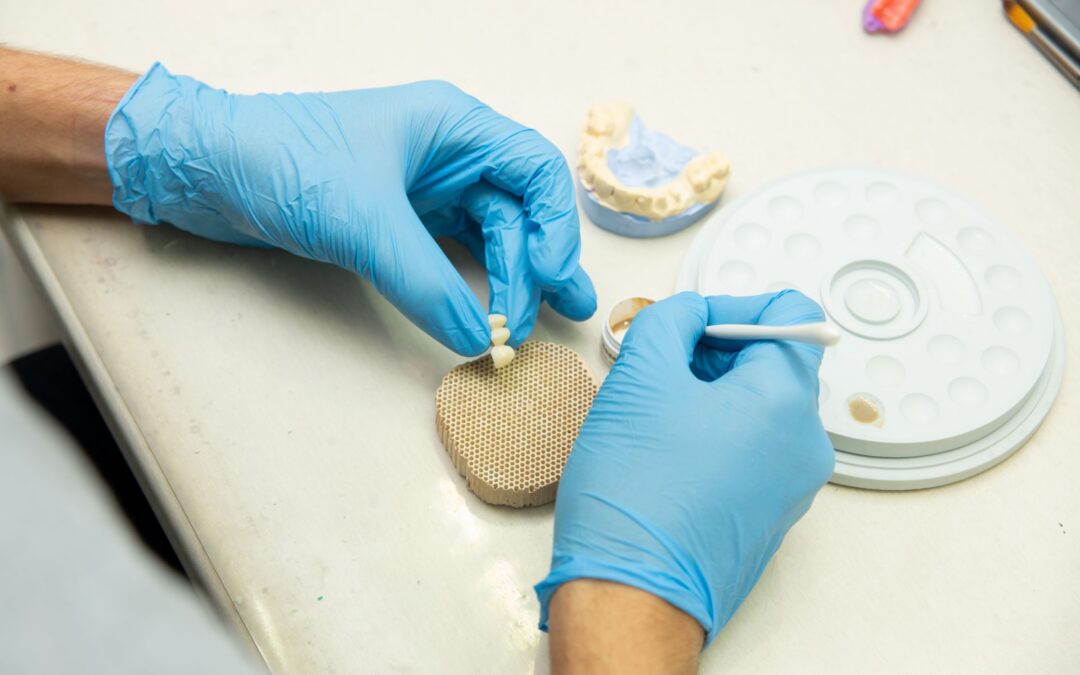
Dental crowns help protect damaged teeth, restore chewing function, and improve the appearance of your smile. However, even a tooth covered by a crown can experience decay over time. When bacteria reach the natural tooth around the crown’s edges, they can cause damage that may require professional treatment.
Tooth decay under a dental crown can sometimes occur without noticeable symptoms in its early stages. Recognizing the warning signs and seeking timely dental care can help prevent further damage and preserve your natural tooth whenever possible.
At Scottsdale Family Dentistry & Orthodontics, patients can learn about restorative dentistry options that address damaged teeth and help maintain long-term oral health. Understanding the available treatments can help you make informed decisions about your dental care.
Can Tooth Decay Form Under a Dental Crown?
Yes, Tooth decay can form beneath or around a dental crown. Although a crown covers and protects the visible portion of a tooth, the natural tooth structure underneath remains vulnerable to bacteria and plaque.
Decay commonly forms near the crown’s margins, where the restoration meets the natural tooth. If plaque accumulates around these areas, bacteria can produce acids that gradually damage the enamel and underlying tooth structure.
Several factors may contribute to a cavity under a dental crown, including:
- Inadequate oral hygiene: Not brushing or flossing thoroughly can allow plaque to accumulate around the crown.
- Gum recession: Receding gums may expose the tooth root near the crown’s edge, making the area more vulnerable to decay.
- Damaged or poorly fitting crowns: Gaps, cracks, or compromised margins may allow bacteria to reach the underlying tooth.
- Frequent sugar consumption: Regular exposure to sugary foods and drinks can increase the risk of tooth decay.
- Previous dental problems: Teeth that have experienced significant decay or extensive dental work may require continued monitoring.
A dental crown does not eliminate the need for routine oral hygiene or regular dental examinations. Keeping the surrounding tooth and gums healthy is essential for maintaining the restoration.
What Are the Signs of Tooth Decay Under a Crown?
Recognizing the signs of tooth decay under a crown can help you seek treatment before the problem becomes more serious. However, early decay may not cause noticeable discomfort, so regular dental checkups remain important.
Watch for the following symptoms:
1. Tooth Sensitivity
You may experience sensitivity to hot, cold, or sweet foods and beverages. This discomfort can indicate exposed tooth structure, decay, or another dental problem that needs evaluation.
2. Persistent Toothache
A toothache around a crowned tooth may indicate decay, inflammation, or damage to the underlying tooth. Pain that continues or worsens should not be ignored.
3. Swollen or Bleeding Gums
Gums surrounding the crown may become red, swollen, or tender. These symptoms can indicate gum inflammation or another issue affecting the tissues around the tooth.
4. Bad Breath or an Unpleasant Taste
Persistent bad breath or an unpleasant taste may sometimes accompany bacterial buildup, decay, or an infection around a damaged tooth.
5. A Loose, Cracked, or Damaged Crown
If your crown feels loose, develops a visible crack, or no longer fits comfortably, the underlying tooth may need examination. A damaged restoration can also make it harder to keep the area clean.
These symptoms do not always mean that decay is present. Your dentist can examine the tooth and determine whether the problem involves tooth decay, crown damage, gum disease, or another condition.
How is a Cavity Beneath a Dental Crown Diagnosed?
Diagnosing tooth decay beneath a crown requires a dental examination. Because the restoration covers much of the natural tooth, the affected area may not be visible during a routine visual inspection.
Your dentist may examine the crown’s margins, check the surrounding gums, and assess the tooth for signs of damage or infection. Dental X-rays may also help identify decay or changes in the underlying tooth structure that cannot be seen directly.
The dentist will evaluate several factors before recommending treatment, including:
- The location and extent of the decay
- The amount of healthy tooth structure remaining
- Whether the crown is damaged or has an inadequate fit
- Whether the tooth’s inner pulp is affected
- Whether the tooth can be restored successfully
Based on these findings, the dentist can recommend an appropriate treatment plan. In some cases, the existing crown may need to be removed to access the affected area and determine how much damage has occurred.
What is the Treatment for Decay Under a Crown?
The treatment for decay under a crown depends on the severity of the damage and the condition of the underlying tooth. Some teeth can be restored with a filling or a replacement crown, while more advanced cases may require root canal treatment or extraction.
1. Removing Decay and Restoring the Tooth
When decay is limited and enough healthy tooth structure remains, the dentist may be able to remove the affected tissue and restore the tooth.
Depending on the location and extent of the damage, a filling or another restorative procedure may be appropriate. The dentist will also determine whether the existing crown can remain in place or needs to be removed and replaced.
Early treatment can help limit further damage and may reduce the need for more extensive procedures.
2. Root Canal Treatment for Deeper Decay
When decay reaches the pulp, which contains the tooth’s nerves and blood vessels, root canal treatment may be necessary.
During this procedure, the dentist or endodontist removes the infected or inflamed pulp, cleans and disinfects the inside of the tooth, and seals the root canal system. A crown or another suitable restoration may then be needed to protect the remaining tooth structure.
Root canal treatment can help preserve a natural tooth that might otherwise require extraction. However, the procedure is recommended only when the clinical findings indicate that it is appropriate.
3. Dental Crown Replacement Due to Decay
A dental crown replacement due to decay may be necessary when the existing restoration is damaged, no longer fits properly, or prevents adequate access to the affected tooth.
The dentist may remove the old crown, clean out the decay, and evaluate the remaining tooth structure. If the tooth can be restored, a new crown may be placed after the necessary treatment.
The new restoration is designed to protect the remaining tooth and restore its function. However, replacing the crown alone will not resolve the problem unless the underlying decay is also treated.
Patients searching for dental crown repair and replacement should understand that the appropriate option depends on the crown’s condition and the health of the natural tooth.
4. Tooth Extraction and Replacement Options
Sometimes, extensive decay or structural damage makes a tooth impossible to restore predictably. In these situations, extraction may be necessary.
After tooth extraction, your dentist can discuss suitable tooth replacement options based on your oral health and individual needs. These may include a dental implant or a dental bridge.
A bridge uses neighboring teeth or other suitable support structures to replace a missing tooth. Patients exploring bridge dental options in Scottsdale, Arizona, can ask their dentist whether this approach is appropriate for their situation.
The goal is to address the infection or damage, restore comfortable chewing, and support long-term oral health.
When is Dental Crown Repair or Replacement Necessary?
Not every damaged crown needs complete replacement. In some situations, a minor issue may be addressed without replacing the entire restoration. However, a crown that is cracked, loose, poorly fitting, or affected by significant underlying decay may require replacement.
Your dentist may recommend repair or replacement when:
- The crown has visible cracks or significant damage.
- Decay has developed around the crown’s margins.
- The restoration no longer fits securely.
- The remaining tooth structure needs additional protection.
- Previous treatment has changed the shape or condition of the underlying tooth.
The dentist will consider whether the tooth can be preserved and whether a new crown can provide adequate protection.
If you are looking for dental crowns in Scottsdale, choosing an appropriate restoration involves more than appearance. The crown must also fit properly, support normal chewing, and help protect the remaining natural tooth.
How Much Does Dental Crown Treatment Cost?
The cost of dental crown treatment in Scottsdale varies depending on the type of treatment required, the material used, and the condition of the affected tooth.
A straightforward crown replacement may cost less than treatment involving extensive decay, root canal therapy, or additional restorative procedures. If the tooth cannot be saved, extraction and tooth replacement may add to the overall cost.
Factors that can influence dental crown costs in Scottsdale include:
- The type and material of the crown
- The severity and location of the decay
- Whether root canal treatment is necessary
- The amount of remaining healthy tooth structure
- Whether additional procedures are required
- Your dental insurance coverage and plan benefits
The best way to understand your potential expenses is to schedule an examination and request a personalized treatment estimate. Your dentist can explain the recommended procedures, available options, and expected costs before treatment begins.
When comparing teeth crowns in Scottsdale, consider the restoration’s suitability, expected durability, and the quality of the treatment plan rather than focusing on price alone.
How Can You Prevent Tooth Decay Under a Dental Crown?
Although crowns help protect damaged teeth, proper oral hygiene is still essential for preventing decay around the restoration.
You can help maintain your crown and natural tooth by following these preventive measures:
- Brush twice daily: Use fluoride toothpaste and clean carefully along the gumline and around the crown.
- Floss every day: Clean between your teeth and around the crown’s edges to remove plaque that a toothbrush may miss.
- Attend regular dental checkups: Routine examinations and professional cleanings can help identify potential problems early.
- Limit sugary foods and drinks: Reduce frequent exposure to sugar to help lower your risk of tooth decay.
- Address dental problems promptly: Contact your dentist if your crown becomes loose, damaged, or uncomfortable.
- Follow personalized dental advice: Your dentist may recommend additional preventive measures depending on your cavity risk and oral health.
These habits can help reduce the risk of decay and support the longevity of your dental restoration.
Interesting Read: How Dental Crowns Can Help Prevent Future Tooth Damage
When to Seek Emergency Dental Care for a Damaged Tooth Under a Crown
A crowned tooth that develops mild sensitivity or discomfort should be evaluated by a dentist, particularly if the symptoms persist. However, some symptoms require more urgent attention.
Contact a dental professional promptly if you experience severe tooth pain, a damaged or displaced crown, or increasing swelling around the affected tooth.
Facial swelling, fever accompanied by dental pain, or signs of a spreading infection require urgent assessment. Difficulty breathing or swallowing, or rapidly spreading swelling involving the face or neck, warrants immediate emergency medical care.
If you are looking for emergency dental services, explain your symptoms when contacting the dental office so the team can advise you on the appropriate next steps.
Seeking timely care can help prevent complications and determine whether the tooth requires restorative treatment, crown replacement, or another procedure.
Restore Your Smile With Restorative Dentistry
Tooth decay beneath a dental crown does not always mean that the natural tooth must be removed. Depending on the extent of the damage, treatment may involve removing decay, restoring the tooth, performing root canal therapy, or replacing the existing crown.
The most important step is to identify the problem and determine how much healthy tooth structure remains. Early evaluation can help you understand your options and make informed decisions about protecting your oral health.
Scottsdale Family Dentistry & Orthodontics is a trusted resource for patients seeking a dentist in Scottsdale, AZ, for dental care and restorative treatment options. If you notice tooth sensitivity, persistent discomfort, gum swelling, or changes in your crown, schedule a dental evaluation to determine the cause and discuss appropriate care.
Concerned about tooth decay under a dental crown? Contact Scottsdale Family Dentistry & Orthodontics to discuss your symptoms and explore the next steps for restoring your tooth.
Frequently Asked Questions
Can a cavity form under an existing dental crown?
Yes. Bacteria can cause decay around the edges of a crown where it meets the natural tooth. Plaque buildup, gum recession, and problems with the crown’s fit may contribute to the risk. Regular dental examinations can help identify potential issues.
What happens if tooth decay under a crown is left untreated?
Untreated decay can progress deeper into the tooth, potentially causing pain, infection, or damage to the supporting tooth structure. More extensive treatment, including root canal therapy or extraction, may become necessary if the condition progresses.
Can a dentist treat tooth decay without replacing the crown?
Sometimes, but it depends on the location and extent of the decay and whether the affected area can be accessed adequately. The dentist will determine whether the existing crown can be retained or must be removed to treat the tooth safely.
Does a tooth with decay under a crown always need a root canal?
No. Root canal treatment is generally considered when the tooth’s pulp becomes irreversibly inflamed or infected. If decay is limited to the outer tooth structures, a less extensive restoration may be sufficient.
How do I know if my dental crown needs replacement?
A loose, cracked, damaged, or poorly fitting crown may need repair or replacement. Persistent sensitivity, discomfort, or gum problems around the crown also warrant an examination. Your dentist can determine whether the restoration can be retained.
How much does dental crown replacement cost in Scottsdale, AZ?
The cost depends on the crown material, the amount of underlying decay, and whether additional procedures such as root canal treatment are needed. A dental examination and personalized estimate are the best ways to understand your treatment costs.
Can a dental bridge replace a tooth that cannot be saved?
Yes. A dental bridge may be an option for replacing a tooth that must be extracted, depending on the condition of the neighboring teeth and your overall oral health. Your dentist can explain whether a bridge or another replacement option is suitable.


