
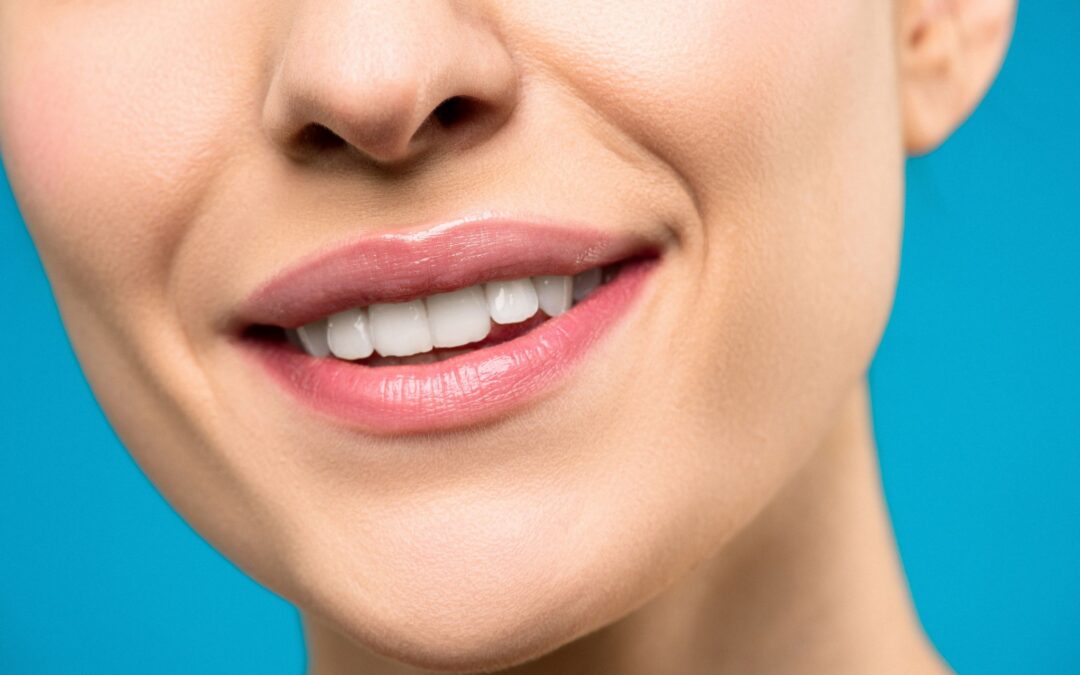
Dental veneers can improve the appearance of stained, chipped, uneven, or discolored teeth. However, choosing the right color is just as important as selecting the right shape and size. The goal is to create a balanced smile that complements your natural teeth and facial features without looking overly bright or artificial.
When exploring natural-looking veneer shades, it helps to understand how tooth color, skin tone, translucency, and personal preferences influence the final result. At Scottsdale Family Dentistry & Orthodontics, patients can explore cosmetic dental treatment options and discuss their smile goals with a dental professional.
Why Does Choosing the Right Veneer Shade Matter?
The color of your dental veneers can significantly influence the appearance of your smile. A shade that is too bright or noticeably different from your surrounding teeth may create an unnatural contrast. On the other hand, a well-selected shade can complement your features and create a more harmonious appearance.
Choosing the right shade involves more than selecting the whitest option available. Our dentist may consider your existing tooth color, the number of teeth receiving veneers, your smile line, and the overall appearance you want to achieve.
The material and translucency of the veneers also affect how they reflect and transmit light. These details help determine whether the final result looks similar to natural tooth enamel.
What Are the Different Dental Veneer Shades?
Dental veneers are available in a range of colors, from softer natural whites to brighter, more luminous shades. Understanding these options can help you prepare for your dental consultation. If you are considering dental veneers in Scottsdale, our dentist can help you choose a shade that complements your natural teeth and creates a balanced, natural-looking smile.
1. Natural White Shades
Natural white shades are often suitable for patients who want a brighter smile without an overly dramatic change. They can provide a fresh appearance while maintaining a look that complements the surrounding teeth.
These shades may be especially appropriate when veneers are being placed on a small number of visible teeth. Our dentist can compare the available options with your natural tooth color to help determine a suitable match.
2. Bright White Shades
Bright white shades create a more noticeable cosmetic change. They may appeal to patients seeking a particularly bright smile, especially when several front teeth are receiving veneers.
However, a very bright shade can look inconsistent if it contrasts sharply with untreated teeth. The best choice depends on your desired outcome, the number of veneers being placed, and the overall balance of your smile.
3. Warm and Neutral White Shades
Some veneer shades have warmer undertones, while others appear cooler or more neutral. These subtle differences can affect how the teeth look under different lighting conditions.
Warm or neutral shades may help create a softer appearance, depending on your natural tooth color and facial features. Rather than relying on a general shade recommendation, your dentist can help you compare options that suit your individual needs.
How to Choose Veneer Shades for a Natural Smile
Selecting a veneer color involves several considerations. Understanding these factors can help you make an informed decision about your cosmetic dental treatment.
1. Consider Your Natural Tooth Color
Your existing tooth color provides a useful starting point when choosing veneers. If you are treating only one or two teeth, matching the veneers to the surrounding teeth can help create a consistent appearance.
For patients receiving veneers across several front teeth, there may be more flexibility in choosing a brighter overall shade. Your dentist can evaluate your current tooth color and discuss how different options may affect the final smile.
2. Consider Your Skin Tone and Facial Features
Skin tone and undertones may influence how a particular tooth shade appears. Some shades may complement your overall appearance more naturally than others, but there is no single shade that works best for every skin tone.
Your facial features, lip color, and smile line can also affect the overall impression of your teeth. During your consultation, discuss whether you prefer a subtle enhancement or a more noticeable transformation.
3. Think About How Many Teeth Will Receive Veneers
The number of teeth receiving veneers is another important consideration.
If you are treating just one or two teeth, matching their color to adjacent teeth is usually a priority. This helps prevent the treated teeth from standing out when you smile or speak.
If you are planning a smile makeover involving multiple front teeth, your dentist can help you select a consistent shade that complements your smile. The aim is to balance color, shape, and proportion rather than focusing on brightness alone.
4. Balance Brightness With a Natural Appearance
When considering the best veneer shades for teeth, remember that the brightest shade is not necessarily the most suitable one.
A shade that is too white for the rest of your smile may look artificial, particularly when only a few teeth are being treated. A slightly softer shade may provide the brightness you want while maintaining a more natural appearance.
Think about your long-term preferences and communicate them clearly to your dentist. Discussing your expectations before treatment helps your dental team recommend an option that aligns with your goals.
5. Consider Translucency and Tooth Shape
Natural teeth are not completely opaque. Enamel allows some light to pass through, creating subtle variations in appearance. Veneer translucency, surface texture, and shape can influence how realistic the finished smile looks.
Even when two veneers have a similar base color, differences in translucency can make them appear noticeably different. For this reason, dental veneer color selection should consider the overall appearance of the restoration, not just its shade.
Interesting Read: The Step-by-Step Process of Getting Dental Veneers: What to Expect
How Do Dentists Help You Select the Right Veneer Shade?
A cosmetic dentist can evaluate your existing teeth and discuss which veneer shades may be appropriate for your smile.
The process may include:
- Shade guide assessment: Comparing your teeth with standardized dental shade samples.
- Tooth color evaluation: Assessing the color and appearance of the natural teeth surrounding the treatment area.
- Lighting considerations: Evaluating shades under suitable lighting because artificial and natural light can affect how colors appear.
- Smile assessment: Considering tooth proportions, facial features, and the number of teeth being treated.
- Discussion of preferences: Understanding whether you want a subtle enhancement or a brighter cosmetic result.
Depending on the treatment plan, your dentist may also discuss photographs, digital smile previews, or other methods of evaluating the proposed appearance.
If you are considering veneers in Scottsdale, AZ, choose a dental professional who takes time to understand your goals and explain the available options. A personalized consultation can help you understand what to expect before treatment begins.
How to Make Veneers Look Natural
Choosing the right shade is an important first step, but several other factors contribute to a natural-looking result.
1. Choose a Shade That Complements Surrounding Teeth
The veneer color should work with the appearance of your other teeth. This is especially important when treating only a few teeth, as a noticeable color difference may make the restorations stand out.
2. Pay Attention to Shape and Proportion
Natural-looking veneers should complement your facial features and the proportions of your smile. Tooth length, width, contours, and alignment all contribute to the final appearance.
3. Consider the Veneer Material
Different veneer materials have different optical properties. Your dentist can explain how the available materials may affect translucency, color, and the appearance you want to achieve.
4. Maintain Good Oral Hygiene
Brush twice daily with a fluoride toothpaste, clean between your teeth, and follow your dentist’s recommendations. Good oral hygiene helps maintain the health of your natural teeth and gums around the veneers.
Although porcelain veneers are generally resistant to staining, they still require appropriate care. The surrounding natural teeth can change color over time, potentially creating a contrast with the restorations.
5. Schedule Regular Dental Checkups
Routine dental visits allow your dentist to assess your veneers, gums, and overall oral health. Professional evaluations can help identify potential issues early and support the long-term appearance and function of your restorations.
Can Veneers Be Too White?
Yes, veneers can appear too white for a person’s preferred look. However, whether a shade looks natural depends on individual preferences, surrounding teeth, facial features, and the overall treatment plan.
Very bright veneers may create a noticeable contrast with natural teeth, especially when only a few teeth are treated. Patients who want a subtle result may prefer a shade that provides brightness without appearing dramatically different from their existing smile.
That does not mean brighter shades are always unsuitable. Some patients prefer a more noticeable cosmetic change. The key is to discuss your expectations with your dentist and understand how the selected shade may look in your smile.
What If You Need Other Dental Treatments Before Veneers?
Healthy teeth and gums are important considerations before beginning cosmetic dental treatment. Your dentist will evaluate your oral health to determine whether any existing conditions need attention.
Address Gum Disease Before Cosmetic Treatment
Gum disease can cause gum inflammation, bleeding, recession, and damage to the supporting structures of the teeth. These issues may affect the health and stability of your smile.
If you have symptoms of gum disease, your dentist may recommend appropriate evaluation and treatment before proceeding with veneers. Treating underlying oral health concerns helps establish a healthier foundation for cosmetic care.
Are Dental Crowns an Alternative to Veneers?
Dental Crowns and veneers serve different purposes. Veneers generally cover the front surface of a tooth to improve its appearance, while crowns cover most or all of the visible portion of a tooth.
Crowns may be recommended when a tooth has extensive structural damage, significant decay, or needs more comprehensive restoration. Veneers may be appropriate for certain cosmetic concerns when the tooth has sufficient healthy structure.
Your dentist can evaluate your teeth and explain which treatment may be appropriate for your needs. The decision should be based on your oral health, the condition of the affected teeth, and your treatment goals.
Where Can You Get Natural-Looking Veneers?
Choosing the right dental practice is an important part of planning a smile makeover. Patients should look for a practice that considers their cosmetic preferences alongside their oral health and explains the benefits and limitations of available treatments.
At Scottsdale Family Dentistry & Orthodontics, patients can explore cosmetic dentistry options and discuss their goals for improving their smiles. If you are researching a Scottsdale cosmetic dentist, consider asking about veneer materials, shade selection, treatment planning, expected maintenance, and how your existing teeth will influence the final result.
Whether you are considering a subtle enhancement or a brighter smile, a personalized dental consultation can help you understand your options.
If you are exploring veneers in Scottsdale, AZ, schedule a consultation with Scottsdale Family Dentistry & Orthodontics to discuss your smile goals and learn more about the veneer shades and treatment options that may suit your needs.
Conclusion
Choosing the right veneer shade involves more than selecting a bright white color. Your natural tooth color, skin tone, facial features, veneer material, and personal preferences all contribute to the final appearance.
By understanding these factors and discussing your expectations with a dental professional, you can make a more informed decision about how to choose veneer shades that look natural. Proper oral hygiene and regular dental visits can also help protect your investment in your smile.
Scottsdale Family Dentistry & Orthodontics can help you explore cosmetic dental options and discuss your goals for a balanced, confident smile. If you are searching for the best dentist in Scottsdale, AZ, schedule a consultation to learn more about veneer shade selection and personalized treatment options for your smile.
Frequently Asked Questions About Veneer Shades
What is the most natural-looking shade for dental veneers?
The most natural-looking shade depends on your existing tooth color, personal preferences, facial features, and the number of teeth receiving veneers. A dental professional can help you compare shades and select an option that complements your smile.
Should veneers be whiter than natural teeth?
Veneers can be brighter than natural teeth, but the difference should align with your desired appearance. When treating only a few teeth, matching the surrounding teeth is often important for maintaining a consistent smile.
Can I choose the color of my dental veneers?
Yes, you can discuss your preferred color with your dentist. Your dental professional can explain the available shades and help you understand how different options may look with your natural teeth and overall smile.
Do veneers change color over time?
Porcelain veneers are generally resistant to staining, but they are not completely maintenance-free. Natural teeth around them may discolor, and the restorations can experience wear or damage over time. Regular dental visits and good oral hygiene help maintain your smile.
How do I make veneers look natural?
Choose a shade that complements your surrounding teeth, consider tooth shape and translucency, and follow your dentist’s care recommendations. Regular checkups and consistent oral hygiene also help maintain the appearance and health of your smile.
How do I find a dentist for veneers in Scottsdale?
Look for a dental practice that evaluates your oral health, discusses your cosmetic goals, and explains veneer materials and shade options. A consultation with Scottsdale Family Dentistry & Orthodontics can help you explore treatment possibilities and determine the next steps for your smile.


