
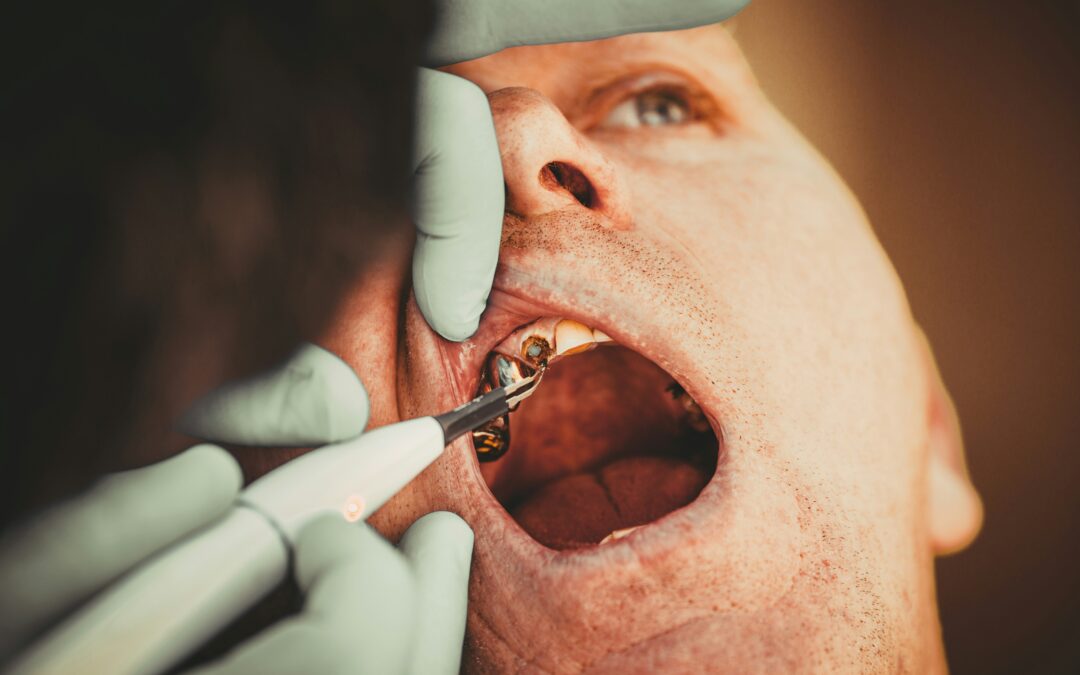
A toothache may seem like something you can simply wait out, especially when the pain comes and goes. But some dental problems can affect more than the tooth, involving the gums, jawbone, nearby teeth, or even your daily comfort. For people in Scottsdale, AZ, understanding when a dental issue needs more than routine care can help prevent bigger problems later.
Oral surgery may sound worrying, but it is not always a sign of a serious condition. Sometimes, it is simply the right option when a problem cannot be treated effectively with routine dental care. In this blog, we will discuss when oral surgery becomes necessary, why it may be recommended, and what patients can expect before and after treatment.
When Oral Surgery Becomes Necessary: Common Reasons
Not every dental problem requires surgery. Many issues can be treated with fillings, cleaning, root canal therapy, medication, or other routine care. Surgery is usually considered when a problem is more complex or cannot be treated effectively with simpler methods.
A dentist will assess your symptoms, examine the affected area, and use X-rays or other imaging when needed. If specialised surgical care is required, you may be referred to oral surgeons in Scottsdale, AZ.
Here are some common situations where oral surgery becomes necessary:
1. A Tooth Cannot Be Saved
A severely damaged or infected tooth may sometimes be restored. However, removal may be considered when the tooth is:
- Too damaged to restore
- Fractured below the gum line
- Severely weakened by decay
- Causing repeated infection
2. An Impacted Wisdom Tooth
Wisdom teeth may become trapped beneath the gum when there is not enough room to grow properly. This can lead to:
- Pain or swelling
- Repeated infection
- Pressure on nearby teeth
- Difficulty cleaning the area
Removal may be recommended when the tooth creates ongoing or potential complications.
Interesting Read: Wisdom Teeth Removal: What to Know Before Surgery
3. A Dental Infection Has Spread
A dental abscess can cause pain, swelling, and infection in the surrounding tissues. If left untreated, the infection may become more difficult to manage. Depending on the cause and severity, treatment may include:
- Drainage of the abscess
- Root canal therapy
- Medication when clinically appropriate
- Removal of the affected tooth
Surgery may be considered when less invasive treatment cannot properly control the infection or remove its source.
4. The Jaw Needs Correction
Some jaw problems can affect the way your teeth meet and make everyday activities such as chewing or speaking difficult. Minor concerns may be managed without surgery, but more complex structural problems may require a surgical approach to improve alignment, function, and overall comfort.
5. Advanced Gum Disease
Severe gum disease can gradually damage the tissues and bone that support your teeth. Early problems may improve with professional cleaning and better home care, but advanced cases can require more involved treatment.
Look out for signs such as:
- Persistent gum bleeding
- Swollen or tender gums
- Loose teeth
- Receding gums
- Changes in your bite
Gum disease treatment in Scottsdale depends on how advanced the condition is and how much damage has occurred.
6. A Complex Tooth Extraction
Some teeth are difficult to remove because they are badly broken, positioned awkwardly, or have complicated roots. A surgical approach may allow the tooth to be removed more safely and with less stress on the surrounding tissues.
The goal of surgery is not simply to treat the visible problem. It is to address the underlying issue and protect your oral health as much as possible.
Signs That Should Not Be Ignored
Knowing when to seek professional advice can prevent a small dental problem from becoming more complicated.
Pay attention to symptoms such as:
- Persistent or worsening tooth pain
- Swelling around the gums, face, or jaw
- Repeated dental infections
- Difficulty opening your mouth
- Trouble swallowing
- A tooth that is severely broken
- Bleeding that does not settle
- Numbness or unusual sensations around the mouth
- Pain around an impacted wisdom tooth
- A noticeable change in how your teeth fit together
These symptoms do not automatically mean that surgery is required. They simply indicate that the underlying cause needs to be assessed.
What Happens Before Oral Surgery?
A proper assessment should come before any surgical procedure. Your dental professional may review your symptoms, medical history, medications, and previous dental treatment. X-rays or other imaging may also be needed.
Before treatment, ask:
- Why is surgery recommended?
- Are there other options?
- What will recovery involve?
- What restrictions should I expect?
Understanding the reason for treatment can make the process feel much less uncertain.
Preparing for a Smooth Recovery After Oral Surgery
Recovery depends on the type of procedure. Your dental team may recommend:
- Following all aftercare instructions
- Eating soft foods if chewing is uncomfortable
- Avoiding smoking and strenuous activity
- Keeping the area clean as directed
- Taking medication as recommended
- Attending follow-up appointments
Some swelling or discomfort is normal, but severe or worsening symptoms should be reported to your dental team.
What Happens if Oral Surgery is Delayed?
The answer depends on the underlying problem.
Some dental conditions can remain stable for a period of time, while others may become progressively worse. An impacted tooth may continue causing pressure or repeated infection. An untreated abscess can spread beyond the original tooth. A badly damaged tooth may become more difficult to restore.
This is why oral surgery becomes necessary in some cases even when symptoms initially seem manageable. Waiting for pain to become severe is not a reliable way to judge whether a dental problem needs attention.
If your dentist recommends surgery, ask what could happen if you wait and whether there is a safe timeframe for making a decision.
How Scottsdale Family Dentistry Supports Your Oral Surgery Care
When oral surgery is recommended, understanding why you need it can be just as important as the procedure itself. At Scottsdale Family Dentistry, a detailed evaluation by an experienced Scottsdale dentist can help identify the underlying problem and determine whether surgical treatment is appropriate.
During an evaluation, your dental team may:
- Examine the Problem: Check the affected tooth, gums, jaw, and surrounding tissues.
- Review Your Symptoms: Discuss pain, swelling, infections, difficulty chewing, or other concerns.
- Use Dental Imaging: Take X-rays when needed to understand what is happening beneath the gums.
- Discuss Treatment Options: Explain whether routine treatment, monitoring, or surgery may be suitable.
- Explain What to Expect: Help you understand the procedure, recovery, and aftercare before making a decision.
If oral surgery becomes necessary, having a clear understanding of the reason for treatment can make the process feel less overwhelming. The right treatment should always be based on your individual dental needs rather than a one-size-fits-all approach.
Conclusion
Oral surgery may sound daunting, but sometimes it is simply the right way to deal with a problem that routine dental care cannot fix. Whether it is an impacted wisdom tooth, a badly damaged tooth, an infection, or a jaw concern, knowing when oral surgery becomes necessary can make the situation easier to understand. If surgery has been recommended, take the time to ask questions, understand your options, and know what recovery will involve. Being informed can help you feel more comfortable with the decision and take better care of your oral health.
Wondering whether your dental problem really needs surgical treatment? Call Scottsdale Family Dentistry to discuss your concerns, understand whether oral surgery may be needed, and get clear guidance on your next step.
FAQs
1. What dental problems commonly require oral surgery?
Impacted wisdom teeth, severely damaged teeth, complex extractions, certain dental infections, advanced gum problems, and some jaw conditions may require surgical treatment.
2. Is oral surgery always painful?
No. Dental professionals use appropriate anaesthesia and pain management methods to keep patients comfortable during treatment. Some soreness or swelling may occur afterward, depending on the procedure.
3. Can an infected tooth always be saved?
Not always. Some infected teeth can be treated with root canal therapy, while others may be too damaged to restore. An examination and imaging can help determine the most suitable option.
4. How long does recovery from oral surgery take?
Recovery varies according to the procedure and the individual. Some patients recover within several days, while more complex procedures can require a longer healing period.
5. Should I Get a Second Opinion Before Oral Surgery?
For complex procedures, getting a second professional opinion can be useful. It can help you understand the diagnosis, available alternatives, expected results, and reasons surgery has been recommended.


